High-Protein Diet for Weight Loss: How Much You Actually Need
NutritionJan 8, 20267 min read

High-Protein Diet for Weight Loss: How Much You Actually Need

Cutting through the conflicting advice to find the optimal protein intake for fat loss

Sofia Rodriguez

Written by

Sofia Rodriguez

Registered dietitian specializing in body composition and performance nutrition

Fact checked by

Protein recommendations range from 0.8g/kg (the bare minimum RDA) to 3g+ per kg from various corners of the fitness world. The truth sits in a research-backed range that most people either fall well below or obsessively exceed. Here's what the evidence actually shows.

Why Protein Is Central to Fat Loss

Protein has the highest thermic effect of any macronutrient — your body burns roughly 25–30% of protein calories just digesting them. It's also the most satiating macro, reducing overall calorie intake without conscious restriction. Most critically, adequate protein preserves lean mass during a deficit, preventing the metabolic adaptation that makes long-term weight regain so common.

The Research Consensus

The most robust body of research — including multiple meta-analyses — supports 1.6–2.2g of protein per kg of bodyweight per day for individuals in a caloric deficit who exercise. Sedentary individuals can get away with less, but given protein's role in satiety and thermic effect, there's little reason to go below 1.6g/kg even without training.

Is More Always Better?

Beyond ~2.4g/kg, additional protein provides diminishing returns for muscle preservation but continues to support satiety and calorie management. Studies show benefits plateauing here for most people. The practical ceiling for most non-competitive athletes is around 2.2–2.5g/kg — above that, you're likely displacing other beneficial nutrients.

Protein Timing: Does It Matter?

Research on protein timing shows modest but real benefits to spreading intake across 3–4 meals (targeting 30–40g of protein per meal) rather than consuming the majority in one sitting. Each serving stimulates muscle protein synthesis independently. This is particularly important if you're eating in a caloric deficit.

Best Protein Sources for Fat Loss

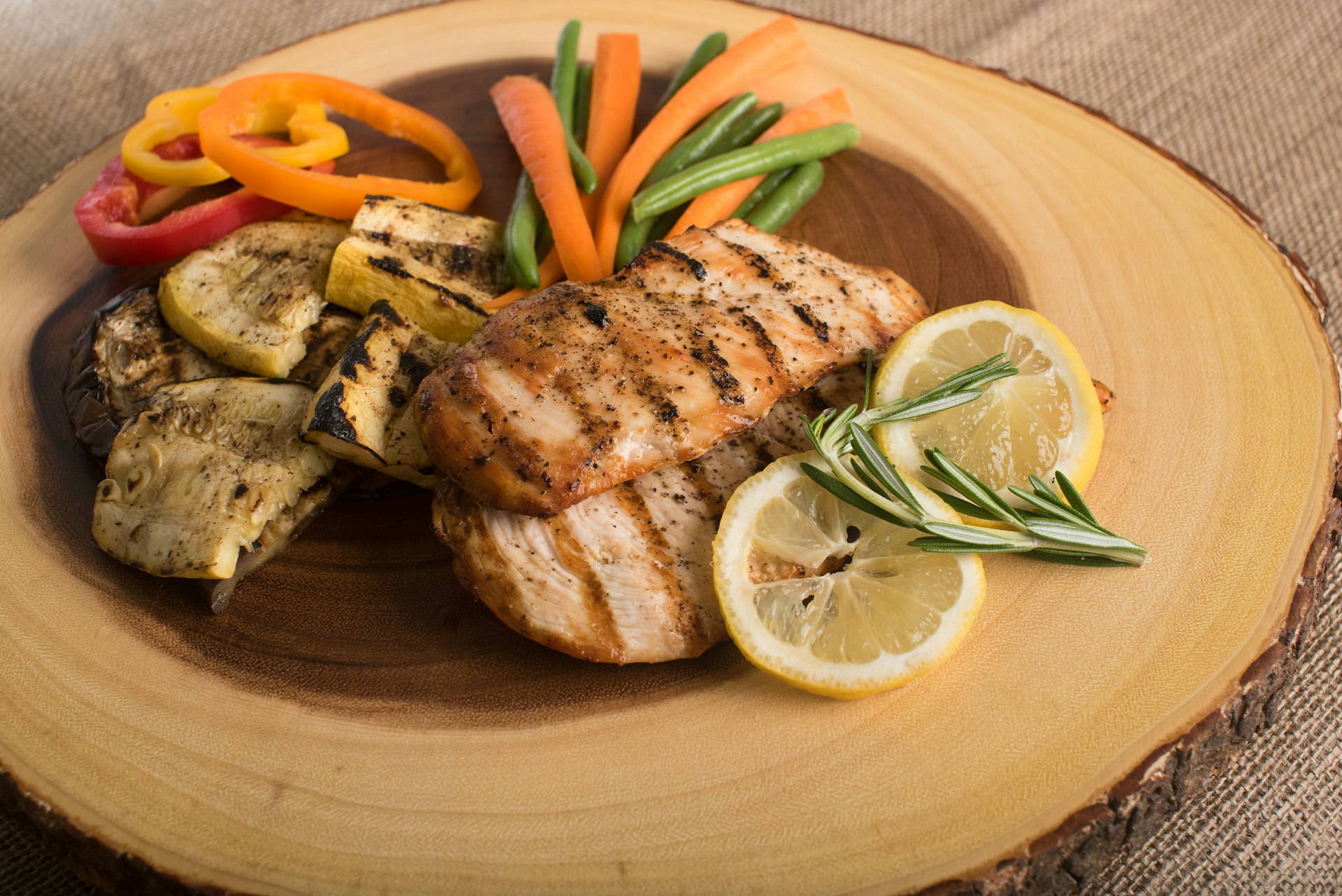
Lean proteins (chicken breast, white fish, egg whites, low-fat Greek yogurt, cottage cheese) deliver high protein per calorie — maximizing satiety while minimizing energy intake. Fatty protein sources (salmon, eggs, red meat) are nutritionally dense but contribute more calories. Both have a place; the ratio depends on your overall caloric budget.

Hit 1.6–2.2g of protein per kg of bodyweight, spread it across meals, and prioritize lean sources when in a caloric deficit. This single nutritional variable will do more for your fat loss results than any supplement or dietary trend.

Comments2
Leave a comment

0/1000

OR
Olivia R.Jan 12, 2026

I always thought 0.8g/kg was enough. This article changed my approach completely. Added 40g more protein per day and feel way more satiated.

SF
Sam F.Jan 16, 2026

The protein timing section is underrated. Spreading intake across meals made a noticeable difference for me.